


Vintage Fashion Patterns always change, but some styles never really go away. Many people in the US are now mixing old-school designs with today’s trends. If you’ve ever wondered how classic prints and cuts compare to modern fashion, you’re in the right place.
In this guide, we’ll break down the real differences in a simple way. Whether you love thrift shopping or prefer fast fashion, understanding both can help you build a wardrobe that feels truly yours.
What Are Vintage Fashion Patterns?
Vintage fashion usually refers to clothing inspired by past decades. Most people think of styles from the 1920s through the 1980s. These designs often reflect the culture and lifestyle of their time.
Common Features of Older Designs
Here’s what makes them stand out:
- Bold prints: Polka dots, florals, plaid, and paisley were very popular.
- Structured shapes: Clothes often had strong shapes, like fitted waists or wide skirts.
- Detailed stitching: Many garments were handmade or carefully tailored.
- Classic fabrics: Cotton, wool, silk, and linen were common choices.
For example, in the 1950s, full skirts and small waistlines were trendy. In the 1970s, wide-leg pants and bright prints became popular.
What Defines Modern Fashion Styles?
Modern fashion is all about comfort, speed, and trends. Brands release new collections quickly, and social media plays a big role in what becomes popular.
Key Traits of Today’s Fashion
- Relaxed fits: Oversized hoodies and loose jeans are common.
- Minimal prints: Solid colors and simple designs are popular.
- Stretch fabrics: Many clothes include spandex for comfort.
- Fast production: Items are made quickly and often at a lower cost.
Modern styles focus on convenience and everyday wear. Comfort usually comes before structure.
Vintage Fashion Patterns vs. Modern Styles: Main Differences
Now let’s compare them side by side so you can see what really sets them apart.
1. Fit and Shape
Older clothing often had a more defined shape. Dresses were fitted at the waist. Men’s suits were tailored closely to the body. Today’s fashion is more relaxed. Baggy jeans, oversized jackets, and stretchy materials are common. Comfort is the main goal.
2. Fabric Quality
Many older garments were made to last. Thick cotton, real wool, and strong stitching were standard. Modern clothing can still be high quality, but fast fashion often uses thinner fabrics. This makes clothes cheaper but sometimes less durable.
3. Prints and Design
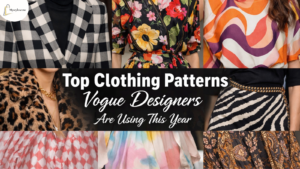
Vintage fashion patterns usually feature bold and detailed prints. Think large flowers, geometric shapes, or bright colors. Many designers in the US still take inspiration from older decades and blend them with current trends. If you want to understand how runway influence shapes everyday outfits, you can explore more about clothing patterns vogue and see how classic and modern styles connect.
4. Production Process
In the past, many pieces were handmade or carefully produced in smaller batches. Today, many brands produce clothing in large factories. This allows stores to update styles quickly but can reduce uniqueness.
5. Cultural Influence
Older designs reflected specific moments in history. For example:
- The flapper dresses of the 1920s showed freedom and change.
- The bold prints of the 1970s reflected creativity and self-expression.
Modern fashion is heavily influenced by social media platforms and celebrities. Trends can start and end in a matter of weeks.
Why Vintage Fashion Patterns Are Popular Again in the US
Many Americans are turning back to older styles for a few key reasons.
Sustainability
Buying older clothing or inspired pieces reduces waste. People are becoming more aware of how fast fashion impacts the environment.
Vintage Fashion Patterns Style
Wearing something inspired by the past helps you stand out.
Better Craftsmanship
Some shoppers prefer the stronger fabrics and detailed construction found in older garments.
Can You Mix Vintage and Modern Styles?
Absolutely. In fact, mixing both is one of the biggest trends right now.
Here are easy ways to blend them:
- Pair a retro floral blouse with modern skinny jeans.
- Wear high-waisted pants with a simple cropped tee.
- Add a classic leather jacket over a modern dress.
This mix keeps your outfit fresh while still honoring classic design.
How to Choose the Right Style for Vintage Fashion Patterns
If you’re unsure where to start, think about:
- Comfort: Do you like fitted or loose clothing?
- Personality: Do you enjoy bold prints or simple colors?
- Lifestyle: Do you need workwear, casual outfits, or special occasion looks?
There’s no right or wrong answer. Fashion should reflect who you are.
FAQs About Vintage Fashion Patterns
Q1. Are vintage clothes of better quality than modern clothes?
Some are, especially older pieces made with strong fabrics and careful stitching. But quality can vary in both eras.
Q2. Is vintage style expensive?
It depends. Thrift stores can be affordable. Designer vintage items can be costly.
Q3. Can I wear vintage styles every day?
Yes. Many classic cuts work perfectly for daily wear. You can also mix them with modern basics.
Q4. How do I know if something is truly vintage?
True vintage items are usually at least 20 years old. Look at labels, fabric type, and stitching style for clues.
Q5. Are vintage fashion patterns still trendy in the US?
Yes. Many US designers bring back older prints and shapes, especially from the 70s and 90s.
Conclusion
Fashion from the past and present each has its own charm. Vintage fashion patterns often highlight bold prints, strong shapes, and lasting quality. Modern styles focus more on comfort, speed, and simplicity. The good news? You don’t have to choose just one. Mixing classic designs with today’s trends can help you build a wardrobe that feels personal and stylish. Fashion is about self-expression, so wear what makes you feel confident and comfortable.