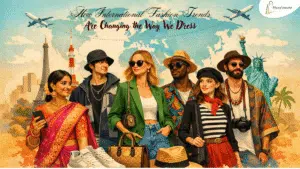



International fashion trends show that fashion is not restricted to a single country or tradition. Today, patterns tour the world faster than ever. A fashion trend that starts in Paris can be seen in New York, Seoul, or Dubai in just a few days. International style trends are shaping how people dress worldwide.
Thanks to social media, online shopping, and international style occasions, style feels more relevant than ever. People mix ideas from exclusive international locations to create contemporary, comfortable, and personal clothing. In this newsletter, we’ll explore how International fashion trends are reshaping the industry and what that means for shoppers, designers, and fashion lovers.
What Are International Fashion Trends?
International style trends are styles, colours, fabrics, and designs that become popular in many countries at the same time. These traits cross borders and inspire people everywhere.
For example, a runway look from Milan may influence road fashion in Tokyo. Casual USS fashion can become popular in Europe. This sharing of thoughts makes cutting-edge style exciting, numerous, and innovative.
Why Global Fashion Trends Matter
Fashion nowadays is more than just looking stylish; it reflects lifestyle, personal values, and values.
Global style traits are essential because they:
- Connect exclusive cultures via fashion.
- Promote influence on what brands design and promote
- Shape how people dress for art, travel, and daily life.
- Encourage creativity and self-expression.
Following international developments fosters a sense of belonging to a larger worldwide network. Fashion becomes a shared language.
How Social Media Drives Global Fashion
Social media spreads fashion trends faster than ever. Platforms like Instagram, TikTok, and Pinterest help patterns go viral within hours.
Influencers and Creators
Fashion influencers publish clothing every day. Followers copy their patterns, hues, and accessories, no matter where they live.
Fast Trend Sharing
Before social media, developments took months to reach new international locations. Now, one video can encourage thousands and thousands in a single day. This velocity has changed how manufacturers create and launch new collections.
The Role of Fashion Weeks Around the World
Fashion weeks are, nevertheless, critical in shaping global fashion. Major fashion cities include Paris, Milan, London, and New York.
Designerexpressit neideas during these events. These runways often introduce styles later adopted by iconic fashion brands that set trends worldwide.
Soon after, those thoughts appeared in shops and online stores internationally. Even individuals who don’t watch fashion indicate they feel they have an impact on regular apparel.
Comfort Is Now a Global Fashion Priority
One large exchange in fashion is the focus on comfort.
Relaxed Fits
People opt for clean clothes to put on. Loose fits, smooth fabrics, and relaxed patterns are more popular than tight or stiff clothing.
Practical Fashion
Clothes are now designed for multiple situations, such as tours, paintings, or informal outings. Looking elegant doesn’t suggest feeling uncomfortable anymore.
Sustainable Fashion Is Rising
Sustainability has become a global trend.
Eco-Friendly Materials
Many manufacturers use organic cotton, recycled fabrics, and coffee-impact dyes to defend the environment.
Mindful Shopping
Shoppers are studying to shop for fewer, higher-end gadgets. This fashion encourages the production of long-lasting, ethical apparel.
Street Style Influences Global Fashion
Street fashion is just as influential as runway style.
Real People, Real Style
Outfits worn on the streets of major cities inspire tendencies. Layered outfits, simple add-ons, and snug garments often begin as streetwear trends.
Mixing Cultures
Street fashion blends patterns from special international locations, like European tailoring with Asian minimalism or American casual style. This mix creates fresh, unique appearances.
Budget-Friendly Global Fashion
Global style traits are no longer the simplest for luxurious shoppers.
Affordable Brands
Many budget fashion brands now offer trendy patterns at lower prices, making global fashion more accessible to a broader range of people.
Online Access
Global transport and online shops let shoppers everywhere observe the same trends, even in smaller towns.
How International Trends Shape Personal Style
Global trends offer ideas, but personal fashion is nonetheless a topic.
Inspiration, Not Rules
People blend developments into their own lifestyles and choices.
Cultural Influence
Fashion lets humans rejoice in their subculture while staying contemporary. This creates meaningful and assured clothing.
Fashion Careers and Global Trends
Global developments additionally affect style careers.
Designers and Creators
Designers want to understand international tastes to achieve one-of-a-kind markets.
Students and Professionals
Fashion students and fashion interns observe international patterns to stay aggressive. Understanding global trends is now a vital skill.
Travel and Lifestyle
Travel fashion is also fashioned via international trends.
Versatile Clothing
Travellers want fashionable yet practical clothes. This has accelerated the recognition of multi-use clothes and capsule wardrobes.
Cultural Awareness
Travellers dress in ways that respect local culture while staying stylish. Global trends are stabilizing and appreciating.
The Future of Global Fashion
Fashion will continue to become more linked.
Technology and Innovation
Virtual style suggests AI design tools, and online buying will accelerate developments worldwide.
Personalization
Even with global trends, non-public fashion will depend more. People will choose what suits them rather than following every fashion.
FAQs About International Fashion Trends
Q1. What are international fashion tendencies?
Styles, colourings, and designs that become famous in many nations at the same time.
Q2. Why do worldwide style developments matter?
They have an impact on how people dress, encourage creativity, and connect with cultures.
Q3. How does social media affect style developments?
Platforms like Instagram and TikTok unfold new styles globally very fast.
Q4. Can international tendencies influence private style?
Yes, people can blend international trends with their personal preferences and lifestyles.
Q5. Are international fashion developments most effective for luxury consumers?
No, affordable manufacturers and online stores make it easier for everyone to access developments.
Conclusion
International style traits are changing the way arena dresses are designed. They carry people closer, spark creativity, and make style more inclusive. Comfort, sustainability, and cultural change now form fashion more than ever.
By knowing these developments, all and sundry can dress higher, store smarter, and express themselves with self-belief. Fashion is no longer about where you come back from; it’s about how you hook up with the industry through what you wear.